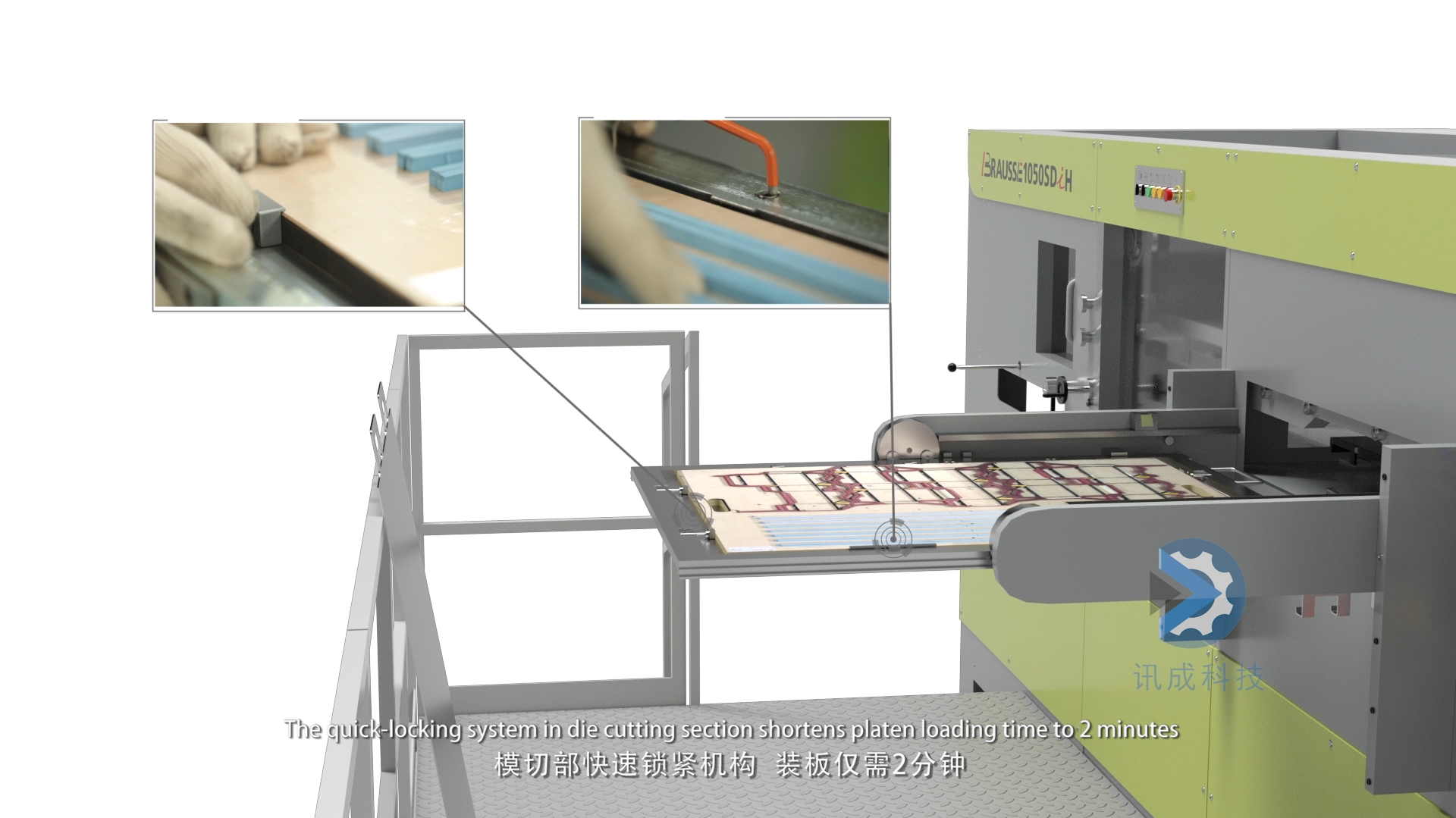
As a manufacturer of high-end die-cutting machines, for a long time, Xu Heng Precision Engineering, a subsidiary of the BOBST Group, primarily used live-action videos for product promotion. However, in the promotion of their new product, the 1050SDiH, they took an unusual approach by inviting us to embed a large amount of 3D animation into their promotional video. What is the reason behind this change?
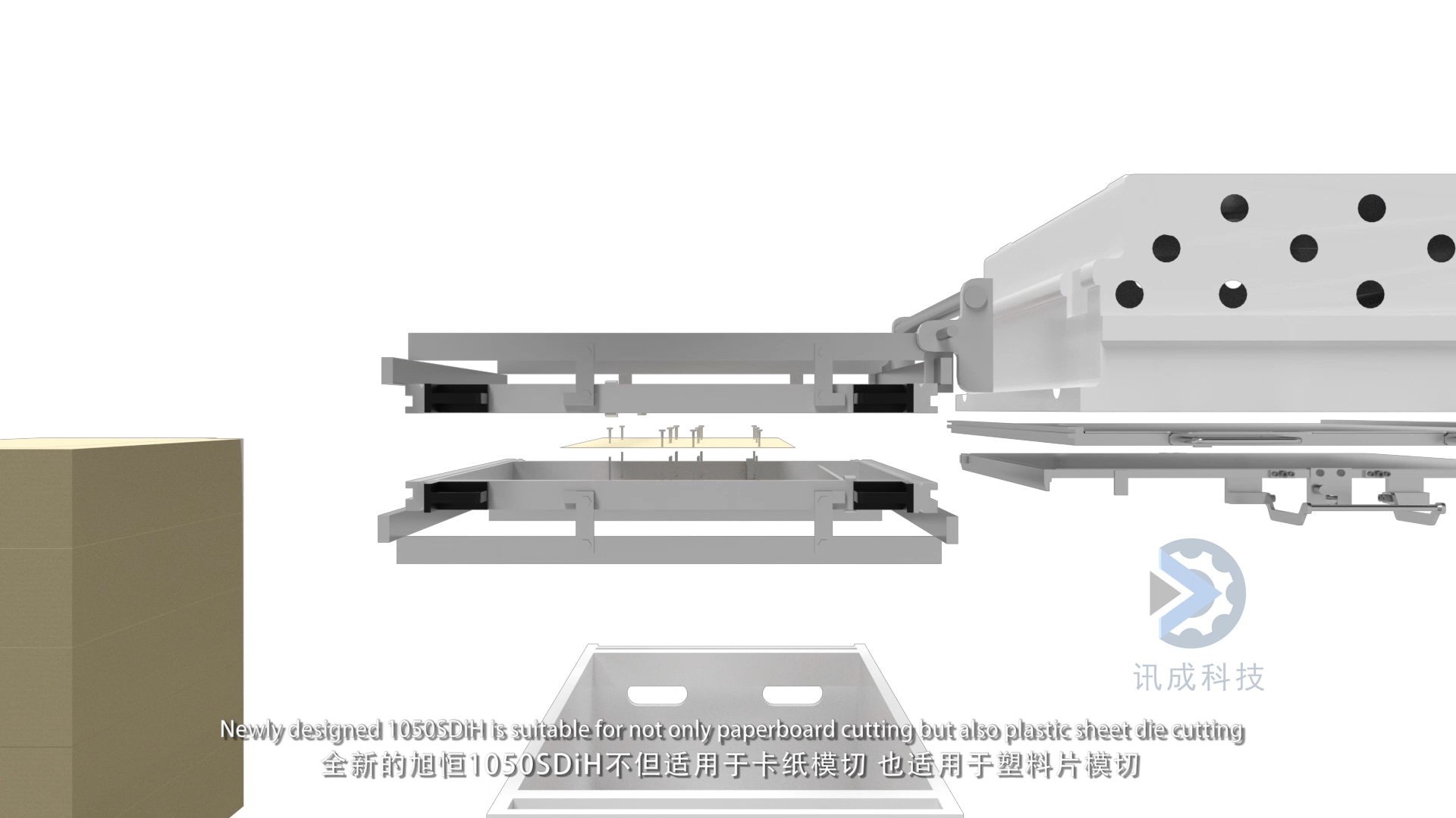
Generally, live-action shoots are greatly limited by the on-site scene and the equipment itself. If the equipment structure is complex or the shooting conditions are flawed, the effect presented by live-action shots can be significantly compromised. Therefore, when encountering equipment highlights that are difficult to perfectly showcase through live-action, we chose to incorporate 3D animation demonstrations.
Obstruction in Equipment Structure
This machine features a very ingenious and practical side guiding device at the paper feeding point, crucial for precise lateral positioning of plastic sheets. However, this device is extremely small, operates very quickly, and is obscured by numerous mechanical structures nearby, making it difficult to capture well in live-action.
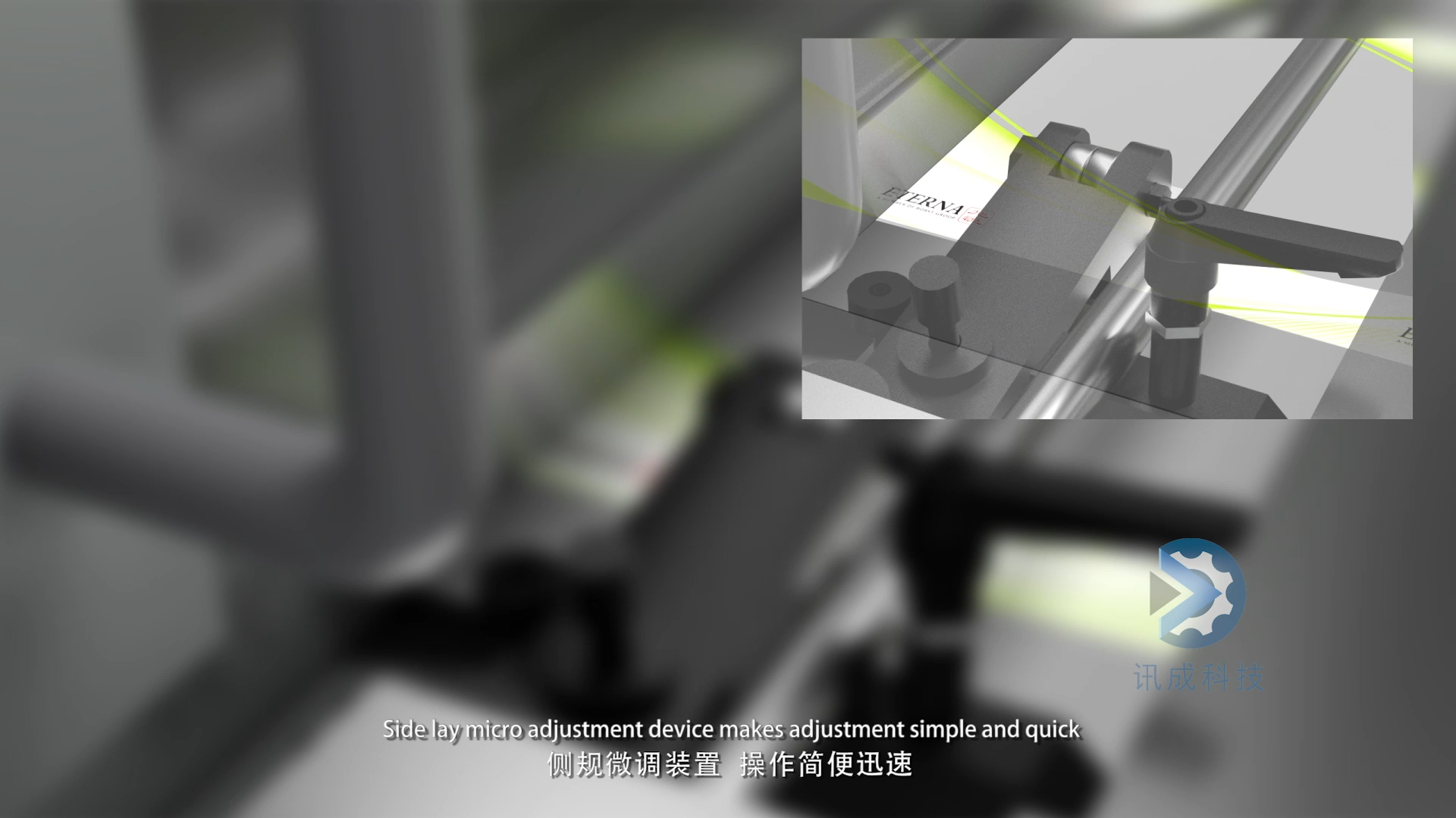
Therefore, we chose to use animation, employing a cutaway technique in a small window, to allow viewers to intuitively understand the side guiding function of this structure. This approach effectively bypassed the limitations of live-action shooting and leveraged the strengths of 3D animation in showcasing internal equipment structures, presenting the equipment's highlights by complementing each other's strengths.
Delicate Equipment Details Difficult to Observe
In actual production, due to the lightweight and thin nature of plastic sheets, irregular air bubbles can form between layers during stacking, leading to untidy stacks or even lateral drift. To address this production pain point, Xu Heng Precision Engineering added small air holes on the backboard for blowing air.
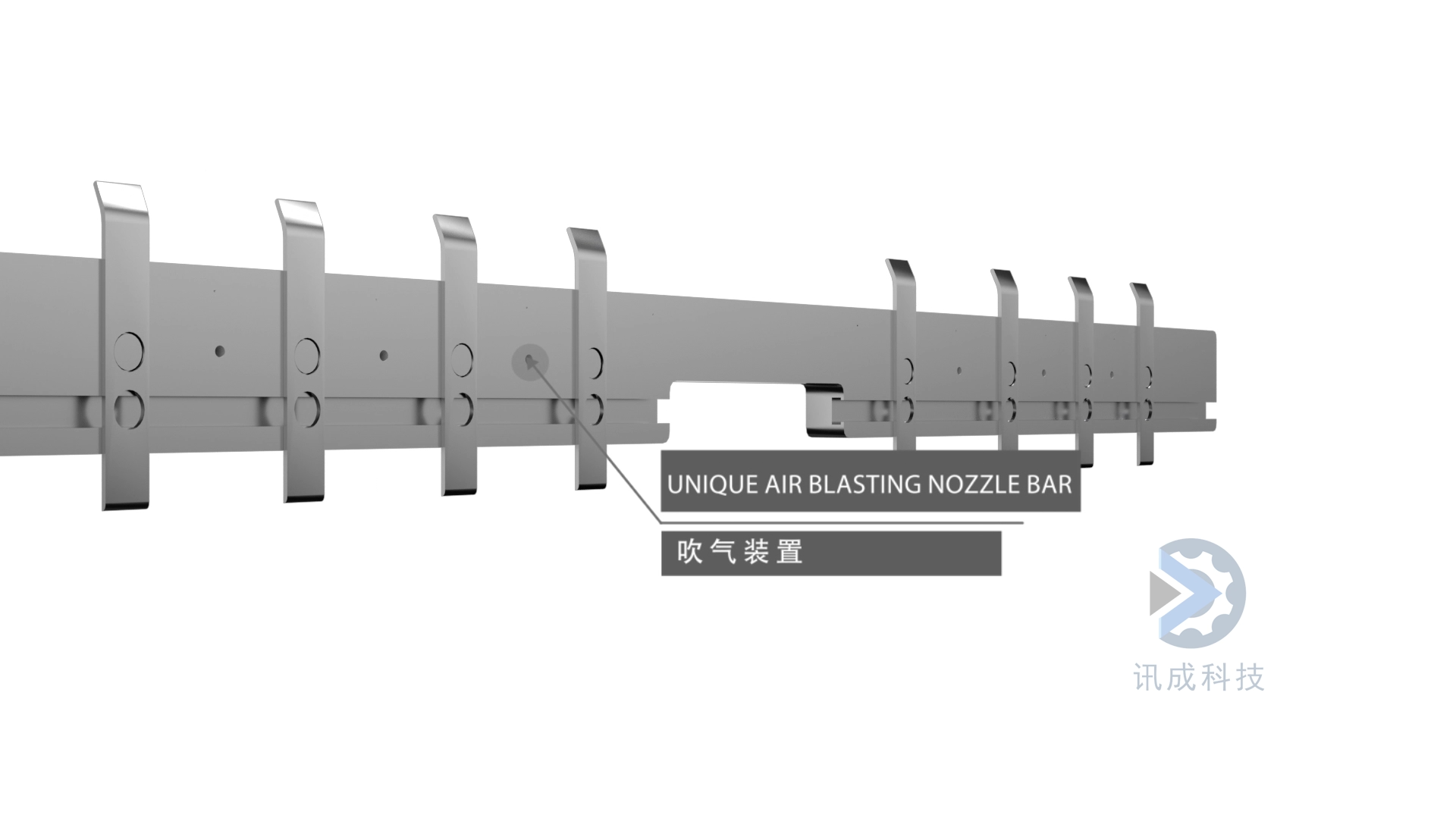
This device is not only difficult to film but also hard to demonstrate effectively. Transitioning from live-action to 3D animation excels at highlighting this intricate structure, allowing the equipment's key features to be perfectly presented.

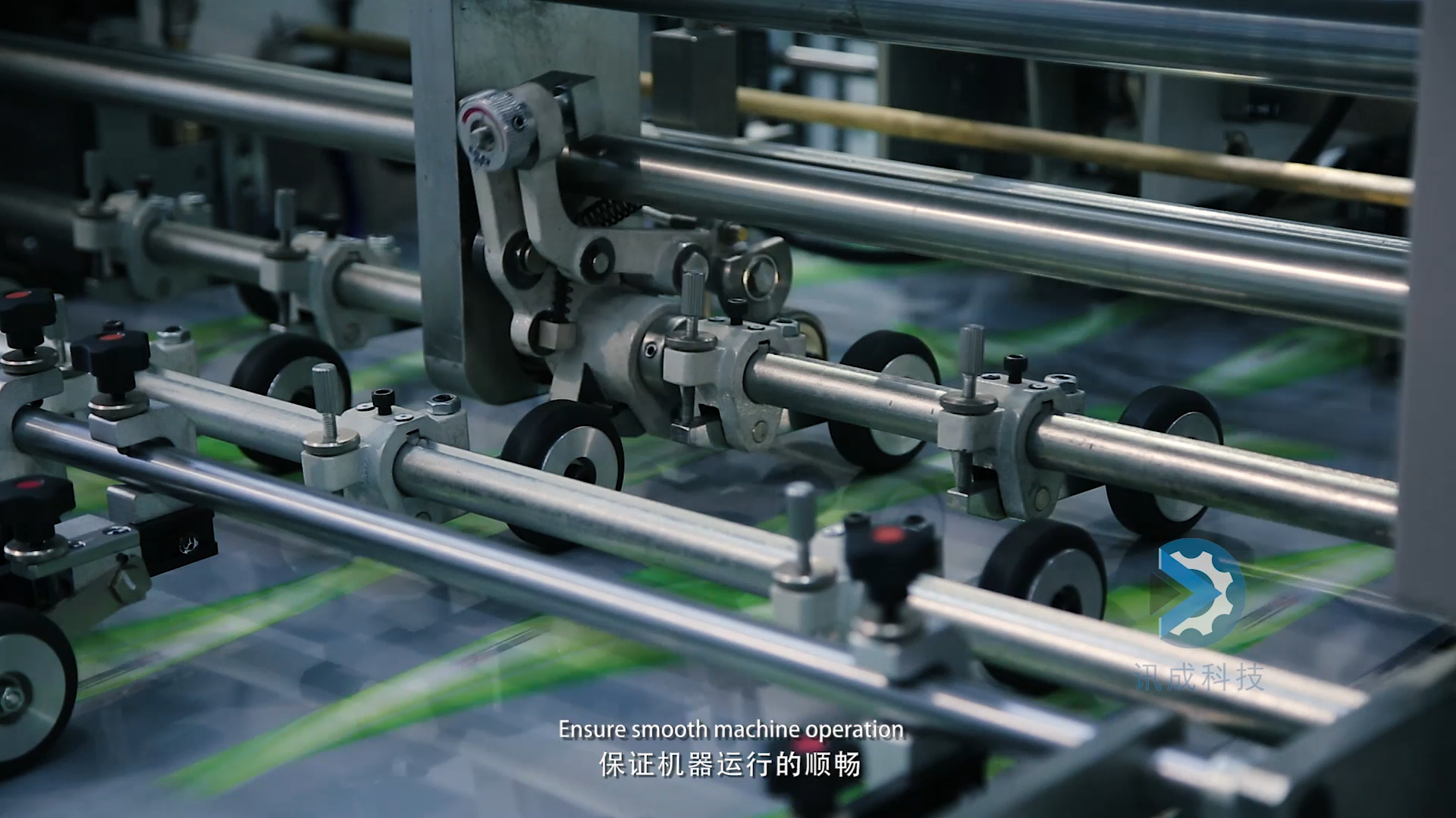
As for the decision to insist on retaining live-action shots, it's because compared to 3D animation modeling, live-action footage possesses a greater sense of realism, capable of reproducing on-site conditions to the fullest extent and providing viewers with an immersive experience.
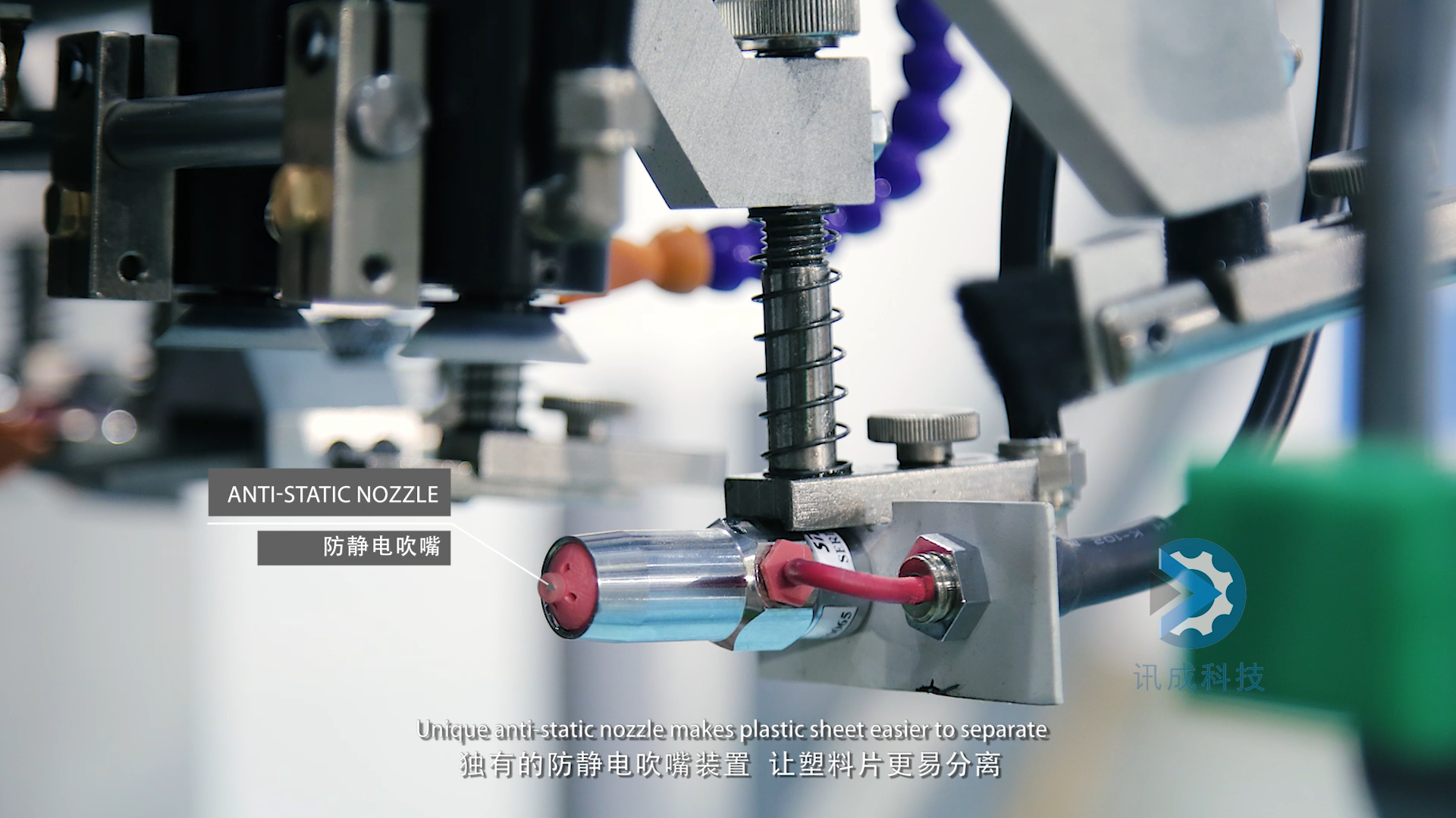
Therefore, when showcasing the "anti-static blowing nozzle", a unique and important structure, and its location, we opted for a transition from 3D to 2D presentation. We used 3D modeling to illustrate the location of the "anti-static blowing nozzle" structure, and then transitioned through a push-in shot to a live-action photo of the "anti-static blowing nozzle". This ensured that customers could clearly see, identify, and appreciate the structure's position, while also demonstrating its actual use, scene, and appearance, thereby guaranteeing visual appeal and enhancing realism and credibility.
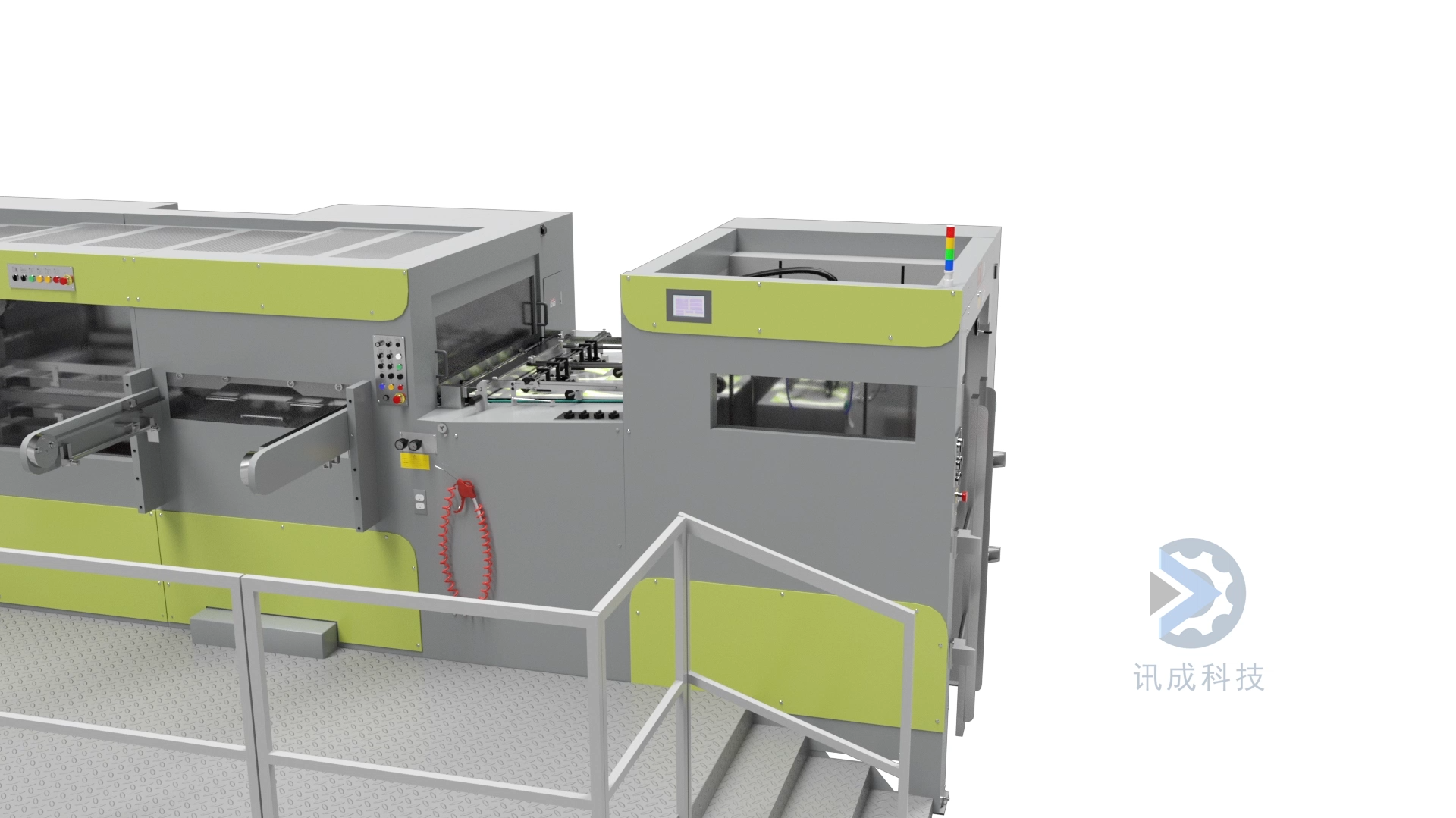
In the segment showcasing the equipment's exterior, to allow customers to gain a more realistic understanding of the actual machine and truly appreciate its exterior highlights, we insisted on using live-action shots. Through various cinematic techniques such as front push-ins, side tracking shots, and low-angle tilting, we perfectly interpreted the brand-new exterior design of this equipment.
In summary, live-action and 3D animation are not inherently superior or inferior. Whether choosing one exclusively or integrating both can lead to surprising results. Let's explore the infinite possibilities of 3D animation together!
Featured FAQs:
Q: What are the differences between industrial animation and live-action shooting?
A: Both industrial animation and live-action shooting can effectively showcase the product highlights of industrial goods. However, there are some differences between the two:
1 - Display Effect:
Live-action shooting showcases product highlights through shots of the entire machine combined with close-ups. It possesses a real, natural texture and lighting effects, giving a strong sense of authenticity and presence. However, live-action shooting can be affected by factors such as the shooting environment and lighting conditions, leading to some uncertainty in the visual outcome.
Industrial 3D animation offers richer display techniques. In addition to live-action shots, it can utilize methods like exploded views, cross-sections, camera passes, and microscopic magnification to demonstrate equipment highlights, achieving highly idealized and standardized visual effects. It can emphasize key points, clearly present the desired information to the audience, and avoid potential distracting elements present in live-action shoots.
2 - Professionalism:
Live-action shooting is more commonly used for entertainment, culture, and lifestyle purposes, while professionally shooting industrial equipment caters to a niche audience. To effectively showcase machinery and equipment, a certain level of professionalism is required, which is precisely what 3D animation production demands.
3 - Production Cycle:
Live-action production process: Needs → Concept → Script → Pre-survey → Test Shoot → Shooting → Post-production
In addition to the live-action process, animation also includes 3D modeling → materials → lighting → camera → animation → effects → post-production, hence the longer production cycle.
Q: How long is the production cycle for an animated video?
A: The production cycle of an animated video is significantly influenced by various factors:
1 - Timeliness and completeness of materials provided by the client.
Client needs to provide materials including: 3D models of products or equipment, video scripts, company logos, and company information, etc.
2 - Complexity of the animation scenes and equipment. For example, demonstrating the internal structure of a car speeding down a tree-lined avenue is much more complex than displaying a static bicycle.
3 - Timeliness and effectiveness of communication between both parties during the production process.
Under normal circumstances, standard 3D animation video production takes 15-20 days. For more complex models or larger scenes, it requires 30-60 days, or even longer.
Q: What types of equipment (products) are suitable for producing 3D animation videos?
A: Almost all equipment is suitable for producing 3D animation videos (complex mechanical products, electronic products, automotive products, construction and real estate products, medical products, fast-moving consumer goods), especially the following three types:
1 - New product/model promotion: When vigorously promoting new products or models to the market, 3D animation videos can showcase product highlights most directly and fully, resonate with customers, and help sales teams quickly penetrate the market.
2 - Foreign trade sales: The primary challenge in foreign trade sales is communication with international clients, especially regarding the translation and explanation of technical terms. 3D animation videos enable foreign clients to quickly grasp the equipment's highlights, paving the way for further in-depth discussions.
3 - Featured models for exhibitions: Every exhibition represents a significant investment in a company's promotional budget. For large machinery or industrial products, 3D animation demonstrations not only visually and intuitively showcase product highlights but can even allow exhibitors to forgo bringing machinery or industrial products to certain less critical exhibitions, greatly saving on exhibition costs.
About Xun Cheng Technology
Founded in 2016, with 9 years of professional experience in industrial 3D animation creation, our clients span various types of enterprises including startups, overseas clients, listed companies, and foreign-invested enterprises. We specialize in providing 3D animation creation services for mechanical equipment, high-tech industries, software development, and foreign trade companies. We offer one-stop industrial 3D animation creative services, covering everything from product sales to after-sales maintenance.
We have provided nearly 3000 minutes of professional animated videos for over 200 manufacturing enterprises.
Whether at exhibition sites or during client visits; whether expanding into overseas markets or enhancing after-sales service, we firmly believe that through the power of design, complex products and machinery can be presented through astonishing 3D animation. This not only provides clients with a unique visual experience but also quickly captivates their interest.